
Skin Specialist Doctor: A Complete Guide to Skin Care, Treatment and Choosing the Right Expert
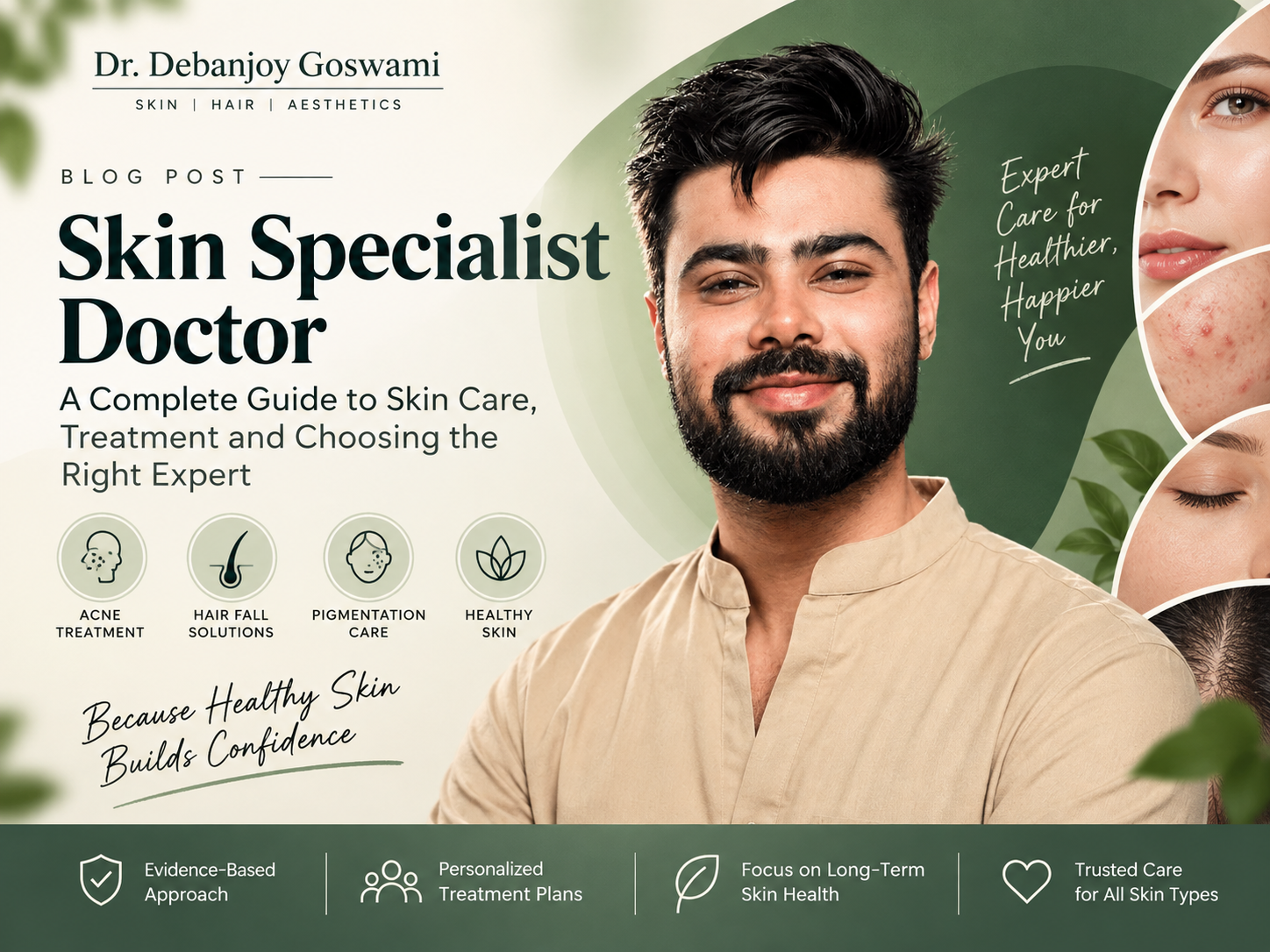
Your skin is one of the most important organs of your body, yet many people ignore skin problems until they become severe. Acne, pigmentation, hair fall, eczema, fungal infections, premature ageing and unexplained rashes can affect not only your appearance but also your confidence and overall quality of life. This is where consulting a qualified skin specialist doctor becomes important.
A skin specialist doctor is trained to diagnose, treat and manage different conditions related to the skin, hair and nails. Instead of relying on random skincare products, social media trends or home remedies, professional medical advice can help you understand the actual cause of your skin concern and choose the right treatment.
In this guide, you will learn what a skin specialist doctor does, when you should consult one, what conditions they treat and how to choose the right skin expert for your needs.
Who Is a Skin Specialist Doctor?
A skin specialist doctor is a medical professional who focuses on diagnosing and treating conditions related to the skin, hair and nails. Depending on their medical qualifications and area of expertise, a skin specialist may diagnose common and complex dermatological conditions and recommend appropriate treatment.
Your skin can often show signs of underlying health concerns. Persistent rashes, sudden acne breakouts, excessive hair loss or changes in skin colour should not always be ignored. A qualified skin specialist doctor can examine your symptoms, medical history and skin condition to determine the possible cause.
What Does a Skin Specialist Doctor Treat?
A skin specialist doctor can help manage a wide range of skin, hair and nail-related concerns. Some of the common conditions include:
- Acne and acne scars
- Dark spots and hyperpigmentation
- Melasma
- Uneven skin tone
- Dry and sensitive skin
- Eczema and dermatitis
- Psoriasis
- Fungal skin infections
- Bacterial and viral skin infections
- Hair fall and hair thinning
- Dandruff and scalp problems
- Premature ageing and wrinkles
- Skin allergies and unexplained rashes
- Nail-related concerns
The right treatment depends on the cause of the problem. For example, not every type of acne requires the same treatment, and not every pigmentation problem can be treated with a single skincare cream. A skin specialist doctor helps identify the underlying condition before recommending a treatment plan.
When Should You Consult a Skin Specialist Doctor?
Many people wait too long before seeking professional help. While minor and temporary skin changes may improve naturally, persistent or worsening symptoms should be evaluated by a skin specialist doctor.
You should consider consulting a skin specialist if:
- Your acne continues despite using regular skincare products.
- You experience frequent skin allergies or rashes.
- You notice sudden or excessive hair loss.
- You have persistent itching or skin irritation.
- You develop dark patches or unusual pigmentation.
- You have recurring fungal or bacterial infections.
- Your skin condition is affecting your confidence or daily life.
- You notice significant changes in an existing mole or skin growth.
Early consultation with a skin specialist doctor can help prevent some conditions from becoming more complicated and may reduce the risk of unnecessary self-treatment.
Why Self-Treatment Can Be Risky for Skin Problems
One of the biggest mistakes people make is assuming that every skin problem has a simple solution. A product that works for one person may not work for another because skin conditions can have different causes.
Random use of strong creams, steroids, acids or unverified skincare products can sometimes worsen irritation, acne, pigmentation or other skin problems. Instead of experimenting repeatedly, consulting a qualified skin specialist doctor can help you receive advice based on your specific skin condition.
What Happens During a Consultation with a Skin Specialist Doctor?
During a consultation, a skin specialist doctor may begin by understanding your primary concern, symptoms and medical history. Depending on the condition, the doctor may examine your skin, hair or nails and ask questions about your lifestyle, skincare routine and previous treatments.
The treatment approach can vary based on factors such as:
- The type and severity of the skin condition
- Your age and medical history
- Your current skincare routine
- Previous treatments and their results
- Your lifestyle and environmental exposure
Based on the assessment, the skin specialist doctor may recommend medical treatment, skincare changes, further tests or appropriate procedures when required.
How to Choose the Right Skin Specialist Doctor
Choosing the right skin specialist doctor is important because your treatment should be based on proper medical evaluation rather than marketing claims. Before booking a consultation, consider the following factors.
1. Check Medical Qualifications
Always check the professional qualifications and training of the doctor. A qualified medical professional should have appropriate education and expertise relevant to skin conditions.
2. Look for Relevant Experience
Different skin concerns may require different levels of expertise. If you have a specific concern such as severe acne, pigmentation, chronic skin disease or hair loss, look for a skin specialist doctor with relevant clinical experience.
3. Avoid Unrealistic Treatment Claims
Be cautious of anyone promising instant, guaranteed or permanent results without properly examining your condition. Skin treatment is often a process, and results can vary between individuals.
4. Understand the Treatment Plan
A good skin specialist doctor should help you understand your condition and explain the purpose of the recommended treatment. You should know what the treatment involves and what factors may influence the results.
Common Skin Problems That Require Professional Attention
Acne
Acne can occur due to multiple factors, including excess oil production, clogged pores, bacteria and inflammation. Severe or persistent acne may require professional assessment because untreated acne can sometimes lead to scarring.
Hyperpigmentation
Dark spots and uneven skin tone can develop due to sun exposure, inflammation, acne and other factors. A skin specialist doctor can help determine the possible cause before recommending suitable treatment.
Hair Fall
Hair loss can be influenced by genetics, stress, nutritional factors, hormonal changes and scalp conditions. Since the cause can vary significantly, professional evaluation is often more useful than randomly switching between hair products.
Skin Allergies
Repeated itching, redness or irritation may be caused by allergies, environmental exposure or certain skin conditions. Identifying the trigger is important for managing recurring symptoms.
How to Maintain Healthy Skin
Visiting a skin specialist doctor when necessary is important, but daily skincare habits also play a major role in maintaining healthy skin.
- Use skincare products suitable for your skin type.
- Protect your skin from excessive sun exposure.
- Avoid unnecessary use of strong skincare products.
- Maintain a consistent skincare routine.
- Avoid picking or squeezing acne.
- Keep your skin clean without over-cleansing.
- Stay aware of persistent changes in your skin.
If you are unsure which products or routine are appropriate for your skin, consulting a skin specialist doctor can help you make more informed decisions.
Why Professional Skin Care Advice Matters
The skincare industry is full of products, trends and recommendations, but more products do not automatically mean better skin. Your skin has individual characteristics, and what works for one person may cause irritation or other problems for someone else.
A qualified skin specialist doctor focuses on understanding the actual condition rather than simply recommending popular products. Professional guidance can help you avoid unnecessary treatments and develop a more suitable approach to skin health.
Final Thoughts
Your skin deserves the same level of attention as the rest of your health. Persistent acne, pigmentation, hair loss, rashes and other concerns should not always be managed through trial and error.
Consulting a qualified skin specialist doctor can help you understand your condition, identify possible causes and explore appropriate treatment options. The goal should not be to chase unrealistic perfection but to maintain healthy skin through informed decisions and professional care when required.
Frequently Asked Questions About Skin Specialist Doctors
1. What is a skin specialist doctor?
A skin specialist doctor is a medical professional who focuses on diagnosing and managing conditions related to the skin, hair and nails.
2. When should I visit a skin specialist doctor?
You should consider visiting a skin specialist doctor if you have persistent acne, recurring rashes, excessive hair fall, pigmentation, itching, infections or other skin concerns that do not improve.
3. Can a skin specialist doctor help with acne scars?
Depending on the type and severity of acne scars, a skin specialist doctor may evaluate your condition and recommend suitable treatment options.
4. Can I treat skin problems with over-the-counter products?
Some minor concerns may improve with appropriate skincare products, but persistent or severe symptoms should be evaluated by a qualified professional rather than relying only on self-treatment.
5. How often should I visit a skin specialist doctor?
The frequency depends on your skin condition and treatment needs. Some people may only require occasional consultations, while others may need regular follow-up for ongoing conditions.
by. Dr. Debanjoy Goswami (CEO & Founder) DGCOSMETICO | DGDERMA CLINIC & ACADEMY
Contact
Feel Free To contact Me...